Navigating the slopes demands clear vision, and snow goggle lens color profoundly impacts this, especially with unpredictable mountain weather conditions.
Investing in quality goggles is crucial, as they protect your eyes and enhance performance, even with rapidly changing light levels.
Understanding how different lens tints affect visibility is key to enjoying a safe and exhilarating experience on the snow.
Why Lens Color Matters
Lens color isn’t merely about aesthetics; it fundamentally alters how you perceive the mountain environment, impacting contrast, depth perception, and overall visual clarity.
Different colors filter light in unique ways, influencing your ability to navigate varying weather conditions effectively. For instance, a gray lens offers true color representation, while amber lenses excel at boosting contrast in flat light.

The unpredictable nature of mountain weather necessitates adaptability, and the right lens color can make all the difference between a fantastic run and a frustrating struggle against glare or low visibility.
Choosing wisely means considering not just the typical conditions you’ll encounter, but also your individual visual needs. A good pair of goggles, with the appropriate lens tint, is a worthwhile investment, enhancing both safety and enjoyment on the slopes.
Ultimately, understanding lens color allows skiers and snowboarders to optimize their vision and fully immerse themselves in the mountain experience.
Understanding Visible Light Transmission (VLT)
Visible Light Transmission, or VLT, is a crucial metric when selecting snow goggles, representing the percentage of light that passes through the lens. A lower VLT means less light reaches your eyes, ideal for bright, sunny conditions, minimizing glare and eye strain.
Conversely, a higher VLT allows more light in, enhancing visibility in low-light situations like cloudy days or during nighttime skiing. VLT percentages typically range from 8% to 80%, categorized for different weather conditions.
Choosing the appropriate VLT is essential for optimal performance and safety. A VLT of 15-20% is suitable for bright sunlight, while 60-90% is best for overcast days or evening skiing.
Consider that individual perception of light varies, so understanding your own visual comfort level is key. Manufacturers usually indicate VLT on the goggles or packaging, aiding in informed decision-making.
Ultimately, VLT ensures you have the right level of brightness and clarity for any mountain environment.
Common Snow Goggle Lens Colors & Their Uses
Diverse lens colors cater to varying conditions, impacting contrast, depth perception, and glare reduction on the slopes, enhancing your overall skiing experience.
Selecting the right tint optimizes visibility, ensuring safety and enjoyment, regardless of the weather’s unpredictable nature.
Gray Lenses: Versatility in All Conditions
Gray lenses are renowned for their exceptional versatility, performing admirably across a broad spectrum of weather conditions, making them a popular choice for many skiers and snowboarders.
These lenses reduce overall brightness without distorting colors, providing a natural viewing experience that’s comfortable and clear, even on the brightest, sunniest days.
They excel in maintaining color balance, unlike some tints that can alter your perception of the snow’s texture and potential hazards.
Gray lenses are particularly beneficial for those who prefer a true-to-life visual experience, avoiding any artificial enhancement of contrast or color.
However, it’s important to note that in extremely low-light conditions, gray lenses may not offer sufficient contrast enhancement, potentially hindering visibility.
Despite this limitation, their all-around performance and ability to adapt to changing light levels make them a reliable and practical option for most skiers and snowboarders.
For a single-lens solution, gray provides a solid foundation, especially for those who frequently encounter varied weather throughout a day on the mountain.
Yellow/Amber Lenses: Enhancing Contrast in Flat Light
Yellow and amber lenses are specifically engineered to excel in low-visibility conditions, such as overcast days, fog, or during snowfall, where contrast is significantly reduced.
These lenses work by filtering out blue light, which is the primary cause of haze and flat light, thereby enhancing contrast and sharpening details on the slopes.
The result is a brighter, clearer view, allowing skiers and snowboarders to better navigate challenging terrain and identify potential hazards, even when visibility is poor.
Amber lenses generally offer a slightly warmer tone than yellow, providing a more comfortable viewing experience in certain conditions.
However, it’s crucial to understand that yellow/amber lenses can distort color perception, making it difficult to accurately assess snow conditions.
They are not ideal for bright, sunny days, as they can cause eye strain and reduce overall visual clarity.
For those who frequently ski or snowboard in areas prone to flat light, yellow or amber lenses are an invaluable asset, significantly improving safety and enjoyment.
Rose, Pink & Red Lenses: Improving Depth Perception
Rose, pink, and red-tinted lenses are celebrated for their ability to enhance depth perception, a critical factor for navigating varied terrain and maintaining spatial awareness on the mountain.
These lenses achieve this by increasing contrast in a way that allows the eyes to more easily distinguish between subtle changes in snow contours and features.
They are particularly effective in partially sunny or variable light conditions, offering a comfortable and clear view without the distortion associated with some other lens colors.
Furthermore, rose and red lenses are known to reduce eye strain, making them a good choice for longer days on the slopes.
The warmer tones of these lenses can also create a more visually appealing experience, enhancing the overall enjoyment of skiing or snowboarding.
While not the best option for extremely bright or flat light, they provide a versatile solution for a wide range of conditions.
Ultimately, these lenses offer a balanced combination of clarity, contrast, and comfort, making them a popular choice among many snow sports enthusiasts.
Blue Lenses: Reducing Glare in Bright, Sunny Conditions
Blue lenses excel at minimizing glare, making them an ideal choice for brilliantly sunny days on the mountain. The tint effectively filters out blue light, a primary contributor to glare reflected off snow and ice.
This reduction in glare not only enhances visual comfort but also improves clarity and reduces eye fatigue, allowing for extended periods of visibility.
However, it’s important to note that blue lenses can sometimes distort color perception, potentially making it harder to discern subtle changes in snow conditions.

They are generally not recommended for low-light conditions or overcast days, as they can reduce overall brightness and contrast.
Despite this limitation, their ability to combat intense glare makes them a staple for skiers and snowboarders who frequently find themselves in bright, alpine environments.
Consider blue lenses when prioritizing eye protection and clear vision in direct sunlight.
They offer a focused solution for specific weather conditions, ensuring a comfortable and safe experience.
Green Lenses: Balanced Visibility & Contrast
Green lenses are often lauded for providing a balanced visual experience, offering a versatile option for a range of conditions. They excel at enhancing contrast while maintaining relatively accurate color perception.
This makes them a solid choice for skiers and snowboarders who encounter varying light levels throughout the day, from partly cloudy to moderately sunny conditions.
Unlike some other tints, green lenses don’t drastically alter color, allowing riders to better assess snow texture and potential hazards.
They offer a comfortable level of brightness without being overwhelming, reducing eye strain during longer sessions on the slopes.
While not as specialized as lenses designed for extreme conditions, green lenses provide a reliable all-around performance.
They are a good starting point for those unsure which tint best suits their needs, offering a blend of clarity and contrast.
Consider green lenses for adaptable vision in diverse winter landscapes.
Specialized Lens Technologies
Modern goggles feature advanced technologies like photochromic, polarized, and mirrored lenses, enhancing performance and visual clarity in diverse mountain conditions.
These innovations address specific needs, from adapting to changing light to minimizing glare and adding stylistic flair.
Photochromic Lenses: Adapting to Changing Light
Photochromic lenses represent a significant advancement in goggle technology, offering unparalleled versatility for skiers and snowboarders facing fluctuating light conditions. These lenses dynamically adjust their tint based on the intensity of ultraviolet (UV) light, darkening in bright sunlight and becoming clearer in low light or overcast conditions.
This adaptive capability eliminates the need to swap lenses throughout the day, providing seamless vision regardless of the weather. Imagine transitioning from a sun-drenched ridge to a shaded tree run without missing a beat – photochromic lenses make it possible.
The technology relies on silver halide crystals embedded within the lens material; when exposed to UV rays, these crystals trigger a chemical reaction that darkens the lens. As UV exposure decreases, the lens gradually returns to its lighter state. This responsiveness ensures optimal visibility and eye protection across a wide spectrum of lighting scenarios, making them a fantastic all-in-one solution.
Polarized Lenses: Minimizing Glare from Snow & Ice
Polarized lenses are specifically engineered to combat the intense glare reflected off snow and ice, significantly enhancing visual clarity and reducing eye strain. This glare occurs when sunlight bounces off flat, reflective surfaces like snow, creating a dazzling and potentially blinding effect.
Polarization works by incorporating a special filter into the lens that blocks horizontally polarized light waves – the type that causes glare. By selectively filtering out these waves, polarized lenses dramatically reduce brightness and improve contrast, allowing you to see details more clearly.
This technology is particularly beneficial on bright, sunny days or when skiing/snowboarding in areas with significant snow cover. They improve depth perception and reduce eye fatigue, contributing to a more comfortable and safer experience on the mountain. While excellent for bright conditions, be aware that polarization can sometimes make it harder to discern contours on icy patches.
Mirror Coatings: Reflecting Light & Enhancing Style
Mirror coatings on snow goggle lenses aren’t just about aesthetics; they serve a functional purpose alongside enhancing style. These coatings are applied to the exterior of the lens and reflect a significant portion of incoming light, reducing the amount that enters the eye.
This reflection minimizes glare and brightness, similar to the effect of polarized lenses, making them beneficial in sunny conditions. The intensity of the reflection depends on the coating’s density – darker mirrors offer greater light reduction. However, it’s important to note that mirror coatings work in conjunction with the underlying lens color, not as a replacement for it.
Beyond functionality, mirror coatings come in a vast array of colors and finishes, allowing skiers and snowboarders to personalize their look. They offer a wide range of options, from subtle silver to bold rainbow hues, adding a touch of personality to your gear.
Lens Color for Specific Weather Conditions
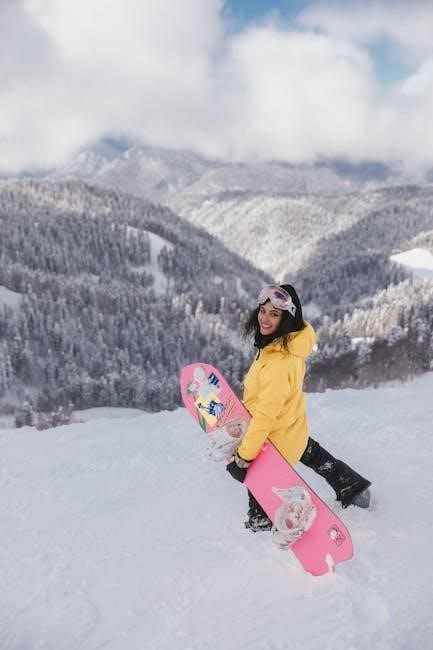
Selecting the appropriate lens color is vital for optimal visibility, as mountain weather is notoriously unpredictable and can shift rapidly throughout the day.
Adapting your goggle lens to the prevailing conditions ensures both safety and enjoyment on the slopes, enhancing your overall experience.
Best Lenses for Sunny Days
Bright, sunny days on the mountain demand lenses that effectively reduce glare and eye strain. Gray lenses are an excellent all-around choice, providing true color perception while minimizing brightness. They work by reducing the overall light intensity without distorting colors, making them versatile for various snow conditions even within a sunny day.
Darker shades of gray are particularly beneficial in intensely bright conditions, offering superior glare reduction. Blue lenses are also well-suited for sunny days, as they enhance contrast and reduce blue light, which contributes to glare.
Mirror coatings, often paired with gray or blue lenses, further enhance glare reduction by reflecting even more light away from your eyes. Consider a higher VLT (Visible Light Transmission) percentage within these color ranges if you anticipate intermittent cloud cover, ensuring adequate visibility even as the light changes. Ultimately, prioritizing glare reduction is key for comfortable and safe skiing or snowboarding under the sun.
Optimal Lenses for Cloudy/Overcast Days
When the skies are gray and the light is flat, visibility can be significantly compromised. Yellow, amber, and rose lenses excel in these conditions by enhancing contrast and brightening the visual field. These lenses work by filtering out blue light, which is prevalent on overcast days and can reduce depth perception.
Amber lenses are particularly effective at revealing terrain details in low light, making them ideal for foggy or snowy conditions. Rose and pink lenses offer a similar benefit, while also improving depth perception, which can be crucial for navigating variable terrain.
A lower VLT (Visible Light Transmission) percentage is generally recommended for cloudy days, as there is less overall light to contend with. However, avoid extremely low VLTs if there’s a chance of the clouds parting, as this could lead to reduced visibility when the sun reappears.
Lens Choices for Night Skiing
Night skiing presents unique visual challenges, demanding lenses that maximize light transmission while minimizing glare from artificial lighting. Clear or lightly tinted lenses are the optimal choice, allowing as much light as possible to reach your eyes. These lenses typically have a very high VLT (Visible Light Transmission) percentage, often exceeding 90%.
Avoid using dark or heavily tinted lenses at night, as they will severely restrict your vision and create a dangerous situation. Yellow lenses can also be considered for night skiing, as they enhance contrast in low-light conditions, but they may not provide sufficient light transmission in very dark environments.
Prioritize safety and clarity when selecting lenses for night skiing; a clear view of the terrain is essential for navigating safely and enjoying the experience. Ensure your goggles fit securely to prevent light leakage and maintain optimal vision.
Choosing the Right Lens for Your Needs
Selecting the ideal lens involves considering typical conditions and personal vision needs; a versatile choice enhances enjoyment and safety on the mountain.
Prioritize matching the lens color to your usual skiing environment for optimal performance and visual clarity throughout your adventures.
Considering Your Typical Skiing/Snowboarding Conditions
Evaluating your usual mountain environment is paramount when selecting a snow goggle lens. Frequent skiers in bright, sunny locations will benefit from darker lenses, like gray or blue, which minimize glare and reduce eye strain. Conversely, those who often find themselves skiing on overcast or flat light days should lean towards yellow or amber lenses to enhance contrast and improve visibility.
If your skiing or snowboarding takes you to varied conditions, a versatile lens like gray might be a good starting point. However, investing in multiple lenses for different weather scenarios is a worthwhile consideration, especially for week-long trips. Remember, mountain weather is notoriously unpredictable, and having options ensures optimal vision regardless of the conditions.
Think about the altitude and latitude of your typical ski resorts. Higher altitudes and locations closer to the equator generally experience more intense sunlight, necessitating darker lenses. Ultimately, aligning your lens choice with your common skiing or snowboarding conditions will significantly improve your on-mountain experience.
Matching Lens Color to Your Vision
Individual visual perception plays a crucial role in selecting the ideal snow goggle lens color. If you have particularly sensitive eyes, opting for lenses with a higher VLT (Visible Light Transmission) might be more comfortable, even on brighter days. Conversely, those with less sensitivity can tolerate darker lenses more easily.
Consider any existing vision conditions. Individuals with color blindness may perceive certain lens tints differently, impacting their ability to discern terrain features. Consulting with an eye care professional can provide personalized recommendations based on your specific vision needs.
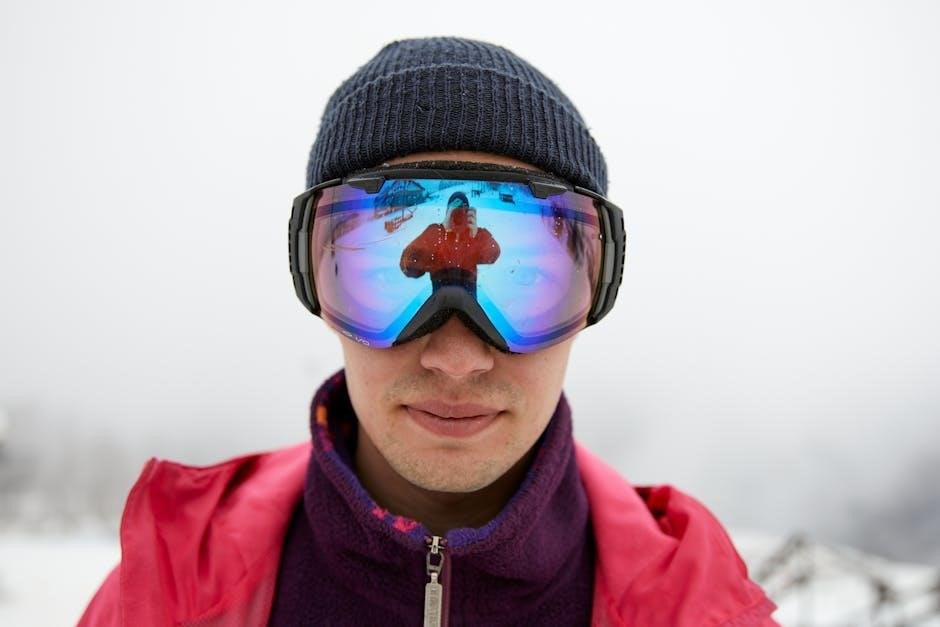
Ultimately, the best lens color is the one that allows you to see clearly and comfortably. Trying on goggles with different lens tints in various lighting conditions is highly recommended. Prioritize a lens that enhances contrast and depth perception, enabling you to navigate the slopes with confidence and enjoyment.