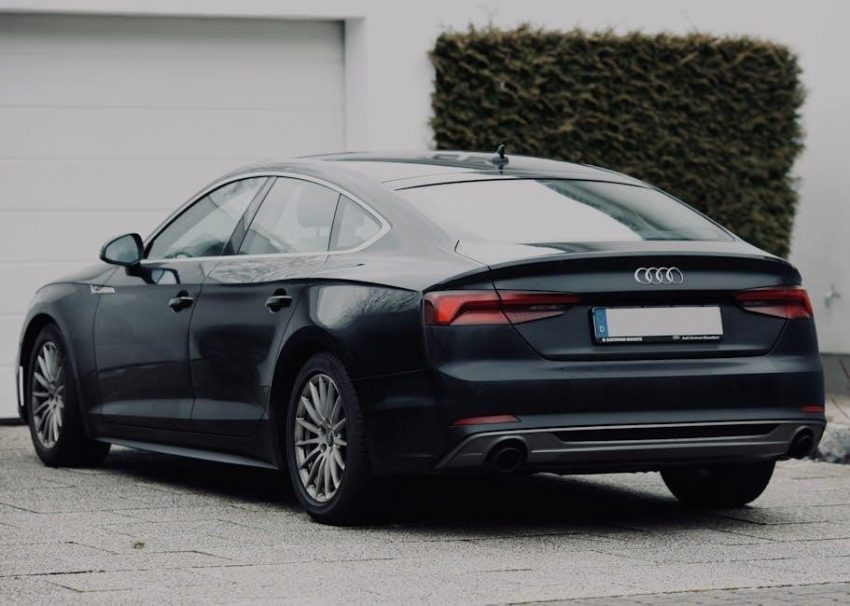
Navigating car cover sizing is crucial for optimal vehicle protection.
EzyShade’s comprehensive size charts simplify finding the perfect fit,
considering make, model, and year for a secure and effective shield against the elements.
Choosing the right size ensures a snug fit, preventing damage from wind,
rain, snow, and UV rays, ultimately preserving your vehicle’s appearance and value.
Why Accurate Sizing Matters
Precise car cover sizing is paramount for safeguarding your investment. A properly fitted cover acts as a robust barrier against environmental hazards, including harsh sunlight, damaging rain, accumulating snow, and abrasive wind.
An ill-fitting cover compromises this protection, potentially leading to scratches, dents, and paint fading. EzyShade emphasizes the importance of utilizing their detailed vehicle size chart to eliminate guesswork.
Selecting the correct size, based on your vehicle’s make, model, and year, guarantees a secure and snug fit. This prevents the cover from flapping in the wind, which could cause friction and damage.
Furthermore, accurate sizing ensures complete coverage, shielding all vulnerable areas of your car from the elements and preserving its pristine condition for years to come.
The Risks of Incorrectly Sized Covers
Employing an improperly sized car cover introduces several significant risks to your vehicle’s finish and overall condition. A cover that’s too small will stretch tightly, potentially causing abrasions and paint damage due to constant friction. Conversely, a cover that’s too large will flap excessively in the wind.
This flapping action can lead to scratches from airborne particles trapped beneath the cover, effectively turning the cover itself into a sanding tool.
Insufficient coverage exposes areas of your car to the elements, negating the protective benefits.
Furthermore, a loose fit increases the risk of the cover being blown off entirely, leaving your vehicle vulnerable. Utilizing a size chart, like those offered by EzyShade, is crucial to avoid these costly consequences.

Understanding Car Cover Sizes
Car cover sizes typically range from Small to Extra Large, often designated by letters (A1-A6).
Manufacturers like EzyShade utilize vehicle size charts for accurate matching, ensuring optimal protection.
Standard Car Cover Sizes (Small, Medium, Large, etc.)
Standard car cover sizing isn’t universally consistent across all brands, but a common framework exists. Typically, sizes are categorized as Small, Medium, Large, Extra Large, and sometimes even 2XL or larger. These broad categories are then further refined using alphanumeric designations, such as A1, A2, A3, A4, and so on, as seen with EzyShade covers.
A ‘Small’ cover generally fits subcompact cars, while ‘Medium’ accommodates sedans and some smaller SUVs. ‘Large’ is often suitable for larger sedans, crossovers, and mid-size SUVs. ‘Extra Large’ covers full-size SUVs and trucks. It’s vital to consult specific size charts, as a ‘Large’ from one manufacturer might differ from another. Relying on general size labels alone can lead to a poor fit, compromising protection.
These standard sizes are a starting point, but precise measurements (discussed later) are crucial for a truly secure and effective car cover.
Vehicle Size Charts: A Comprehensive Guide
Vehicle size charts are the cornerstone of accurate car cover selection. These charts, provided by manufacturers like EzyShade and retailers like Amazon and Walmart, correlate vehicle make, model, and year with corresponding cover sizes. They eliminate guesswork, ensuring a proper fit.
A comprehensive chart will list vehicles alphabetically by manufacturer, then by model, and finally by year. Each entry will indicate the recommended car cover size – often an alphanumeric code (e.g., A4). Some charts offer detailed dimensions alongside the size code, allowing for cross-verification.
Always prioritize the manufacturer’s chart for their specific covers. Third-party tools can be helpful, but may not account for subtle variations in cover design. Careful chart consultation is key to avoiding sizing errors.
Using Make, Model, and Year for Accurate Fit
Precise vehicle identification – make, model, and year – is paramount when selecting a car cover. EzyShade emphasizes this, stating their size charts directly link these details to the correct cover size. Variations even within the same model year can necessitate different sizes.
The ‘make’ establishes the broad vehicle category (e.g., Toyota). The ‘model’ narrows it down (e.g., Camry). However, the ‘year’ is crucial; a 2023 Camry might have different dimensions than a 2020 model due to redesigns.
Retailers like Amazon and eBay also highlight this process. Inputting this information into their sizing tools or referencing their charts guarantees a more accurate match than relying on general size categories alone.

Measuring Your Vehicle for a Car Cover
Accurate measurements – length, width, and height – are essential if a vehicle’s specifics aren’t found in size charts.
This ensures a properly fitted, protective car cover for your automobile.
Length Measurement: Bumper to Bumper
Determining the length of your vehicle is the foundational step in selecting the correct car cover size. This measurement is taken from the very front of the bumper to the very rear of the bumper, ensuring you capture the entire length of the vehicle’s body.
It’s crucial to extend the tape measure in a straight line, avoiding any curves or contours. A slight error in this measurement can lead to a cover that is either too short, leaving portions of the vehicle exposed, or too long, resulting in excess material that can flap in the wind and potentially cause scratches.
Double-check your measurement to guarantee accuracy, as this dimension directly correlates to the car cover’s overall size designation – often labeled as Size A4, for example.
Width Measurement: Mirror to Mirror
Accurately measuring the width of your vehicle is essential for a properly fitted car cover. Extend the measuring tape from the outermost point of one side mirror, across the vehicle, to the outermost point of the opposite side mirror.
This measurement accounts for the vehicle’s widest point, including any protruding elements like side mirrors themselves. Ensure the tape measure remains level and doesn’t dip or rise with the vehicle’s body lines.
A precise width measurement, combined with the length, dictates the appropriate car cover size, ensuring full coverage and protection. Incorrect width measurements can lead to a poor fit, compromising the cover’s effectiveness;
Height Measurement: Highest Point of Vehicle
Determining your vehicle’s height is critical for selecting a car cover that provides complete protection without being too tight. Measure from the lowest point of the vehicle – typically the bottom of the tires – to the highest point of the vehicle.
This could be the roof, an antenna, a roof rack, or a spoiler. Ensure you account for any additions that increase the overall height. Accurate height measurement prevents rubbing and ensures adequate clearance.
Combined with length and width, height dictates the car cover size needed for a snug, secure fit, safeguarding against environmental damage.
Specific Vehicle Type Sizing
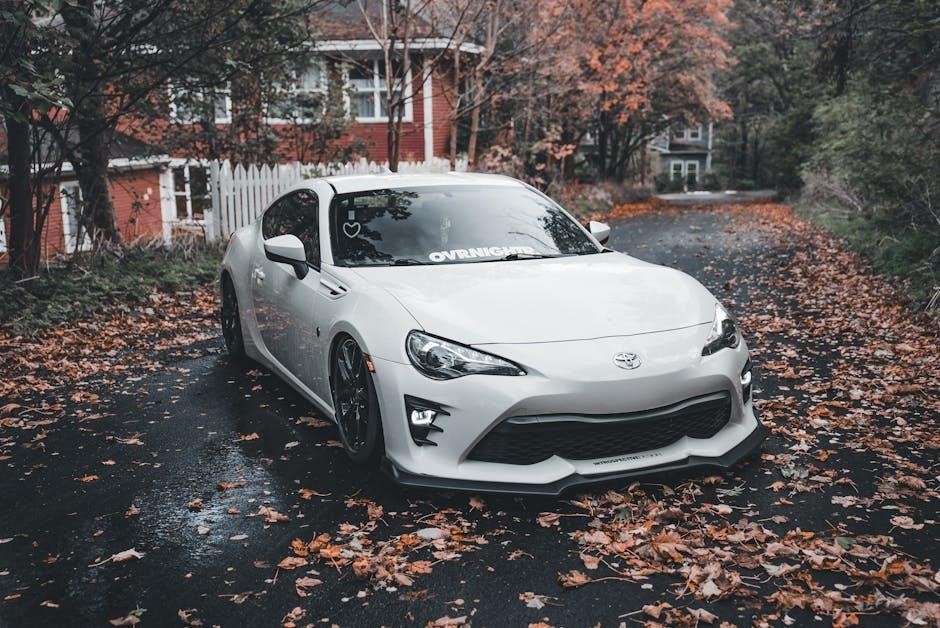
Vehicle type significantly impacts car cover sizing. Sedans, SUVs, hatchbacks, coupes, and sports cars each require unique dimensions for a proper, protective fit.
Sedan Car Cover Sizes
Sedans generally require car covers ranging from Size A to Size C, though variations exist based on specific models and years. EzyShade’s size chart is invaluable for pinpointing the correct fit, avoiding issues like looseness or excessive tightness.
Typically, a sedan cover needs to accommodate lengths between 160 to 200 inches, widths from 58 to 70 inches, and heights up to 55 inches. However, larger sedans, like full-size models, may necessitate a Size D cover.
Always prioritize a snug fit to prevent wind from lifting the cover and causing damage. Referencing the vehicle’s make, model, and year within a detailed size chart, like those offered by Amazon, Walmart, or eBay, is essential for accurate selection.
SUV and Truck Car Cover Sizes
SUVs and trucks demand larger car covers, typically ranging from Size C to Size F, depending on the vehicle’s dimensions. Truck bed length significantly impacts sizing; extended cab or long bed models require larger covers than standard cabs.
Expect length requirements between 200 to 240+ inches, widths from 70 to 84+ inches, and heights exceeding 60 inches for many SUVs and trucks. EzyShade’s size chart is crucial for accurate determination.
Prioritize a cover that fully encapsulates the vehicle, including any roof racks or accessories. Utilizing retailer websites like Amazon or Walmart, alongside manufacturer charts, ensures a secure and protective fit, safeguarding against weather and potential damage.
Hatchback and Coupe Car Cover Sizes
Hatchbacks and coupes often fall into the Small to Large size categories – typically Size B to Size D – but require careful measurement due to their unique body styles. The sloping rooflines and varying rear heights necessitate precise sizing to ensure full coverage.
Length measurements generally range from 150 to 190 inches, with widths between 60 to 75 inches. Pay close attention to the highest point of the vehicle, especially with hatchbacks, to accommodate the extended rear section.
Referencing vehicle size charts from EzyShade or retailers like eBay is vital for a snug, protective fit, shielding against weather and scratches.
Sports Car and Convertible Car Cover Sizes
Sports cars and convertibles demand specialized car cover sizing due to their low profiles and often unique body contours. These vehicles generally fit within the Small to Medium size range – often Size A or B – but precise measurements are paramount.
Convertibles, particularly, require covers designed to accommodate lowered tops, potentially needing extra length. Lengths typically fall between 140 to 180 inches, with widths ranging from 58 to 70 inches. Height is critical, especially for spoilers or roll bars.
Utilizing size charts from sources like Amazon and Walmart, and considering EzyShade’s detailed guides, ensures a secure, scratch-resistant fit.
Car Cover Materials and Their Impact on Size
Material thickness influences fit; multi-layer or waterproof covers may require slightly larger sizes for optimal coverage and ease of use.
Breathable fabrics offer a closer fit.
Waterproof Car Covers and Fit
Waterproof car covers, often multi-layered for enhanced protection, necessitate a precise fit to prevent water from pooling and potentially damaging the vehicle’s finish. A slightly looser fit can allow for better airflow, reducing condensation buildup underneath, but risks the cover being blown off in strong winds.
When selecting a waterproof cover, carefully consult the manufacturer’s size chart – like those offered by EzyShade – and prioritize accurate measurements. Consider that thicker, waterproof materials may require a size up compared to breathable alternatives. Ensuring a snug, yet not overly tight, fit is key to maximizing the waterproof benefits and safeguarding your car from the elements, including rain, snow, and UV exposure.
Breathable Car Covers and Size Considerations
Breathable car covers prioritize airflow to prevent condensation, a common issue with waterproof covers. While a snug fit is still important, breathable fabrics generally allow for a slightly more forgiving fit than their waterproof counterparts. However, excessive looseness can still lead to the cover flapping in the wind, potentially causing scratches.
When sizing a breathable cover, prioritize length to ensure full bumper-to-bumper coverage. Referencing vehicle size charts is crucial, and considering the cover’s material composition is key. A well-fitted breathable cover protects against dust, dirt, and UV rays while minimizing the risk of moisture damage, offering a balanced solution for indoor or moderate outdoor use.
Multi-Layer Car Covers: Sizing for Optimal Protection
Multi-layer car covers, like the 10-layer options from EzyShade, demand precise sizing for maximum effectiveness. These covers combine waterproof, breathable, and protective layers, requiring a fit that doesn’t compromise any layer’s function. A too-tight fit can strain the layers, reducing their lifespan, while a loose fit negates the protective benefits;
Accurate measurements – length, width, and height – are paramount. Prioritize a snug, yet not overly restrictive, fit. Vehicle size charts are essential, and selecting the correct size (like A4) ensures each layer works in harmony to shield against all weather conditions, including sun, rain, snow, and wind, delivering superior protection.
Where to Find Vehicle Size Charts
Vehicle size charts are readily available on manufacturer websites like EzyShade, and major retailers such as Amazon, Walmart, and eBay,
simplifying the selection process.
Manufacturer Websites (EzyShade Example)
EzyShade stands out as a prime example of a manufacturer prioritizing user-friendly sizing resources. Their comprehensive vehicle size chart is designed to eliminate the guesswork often associated with selecting the correct car cover.
The chart allows users to pinpoint their vehicle’s ideal cover size by simply locating their specific make, model, and year. This straightforward approach ensures a precise fit, maximizing the cover’s protective capabilities. EzyShade’s commitment to accurate sizing translates to a hassle-free experience for customers.
By utilizing this resource, vehicle owners can confidently choose a cover that provides optimal protection against various weather conditions and potential hazards, safeguarding their investment.
Retailer Websites (Amazon, Walmart, eBay)
Major retailers like Amazon, Walmart, and eBay also offer car cover sizing guidance, though often directing users back to manufacturer charts. Listings frequently emphasize the importance of consulting a vehicle size chart for accurate fit, mirroring EzyShade’s approach.
These platforms typically present car covers categorized by size – A4, for example – and strongly recommend referencing the chart to determine the corresponding vehicle dimensions. While they may not host dedicated charts themselves, they link to manufacturer resources.
Customers should carefully review product descriptions and utilize provided links to ensure compatibility, preventing the purchase of incorrectly sized covers and maximizing protection.
Third-Party Car Cover Sizing Tools
Beyond manufacturer and retailer sites, several third-party tools aim to simplify car cover sizing. These online resources often request vehicle make, model, and year to suggest appropriate cover sizes, acting as a convenient intermediary step.
However, it’s crucial to verify the accuracy of these tools, as their databases may not always be fully up-to-date or comprehensive. Cross-referencing recommendations with official manufacturer size charts – like those offered by EzyShade – is highly advisable.
While offering convenience, these tools shouldn’t be relied upon as the sole source of sizing information; diligent verification remains key to a perfect fit.

Troubleshooting Sizing Issues
If your vehicle falls between sizes, opting for the larger cover is generally recommended. Adjustable car covers offer flexibility, while returns are possible for incorrect fits.
What if Your Vehicle is Between Sizes?
Encountering a situation where your vehicle’s measurements land between standard car cover sizes is surprisingly common. In these instances, it’s almost always preferable to err on the side of caution and select the larger size. A slightly looser fit is far more desirable than a cover that’s too tight, potentially causing stress points or even damage to the cover itself, or even your vehicle’s paintwork.
A cover that’s too small won’t provide full coverage, leaving vulnerable areas exposed to the elements. However, excessively large covers can be prone to flapping in the wind, increasing the risk of scratches. Adjustable car covers, featuring straps and buckles, can help mitigate this issue by allowing you to customize the fit. Ultimately, prioritizing a secure and comprehensive shield is key.
Adjustable Car Covers: A Solution?
Adjustable car covers present a compelling solution for vehicles falling between standard sizes or those with unique features. These covers typically incorporate straps, buckles, and elastic hems, allowing for a customized and secure fit. This adaptability is particularly beneficial for vehicles with accessories like roof racks, antennas, or spoilers, ensuring comprehensive protection without compromising the cover’s integrity.
While adjustable covers offer flexibility, it’s crucial to ensure the adjustment mechanisms are robust and user-friendly. A well-designed adjustable cover provides a snug fit, minimizing flapping in windy conditions and preventing potential scratches. They represent a worthwhile investment for owners seeking a versatile and reliable car cover solution.
Returning or Exchanging an Incorrectly Sized Cover
Receiving an incorrectly sized car cover can be frustrating, but most retailers offer return or exchange options. Before initiating a return, carefully review the retailer’s policy regarding shipping costs and restocking fees. Keep the original packaging and ensure the cover is unused and in resalable condition to qualify for a full refund or exchange.
Many online marketplaces, like Amazon, Walmart, and eBay, have streamlined return processes. Providing accurate vehicle details during the initial purchase, and referencing the size chart, minimizes the chance of errors. Don’t hesitate to contact customer support for assistance navigating the return or exchange procedure.
Advanced Sizing Considerations
Account for antennas and spoilers when selecting a car cover, ensuring adequate clearance.
Mirrors and other protrusions also require extra space for a secure, non-abrasive fit.
Antenna and Spoiler Clearance
Ensuring sufficient clearance for antennas and spoilers is paramount when choosing a car cover. These protrusions, if not properly accommodated, can cause undue stress on the cover material, potentially leading to tears or abrasions. A snug fit is desirable, but not at the expense of damaging either the vehicle or the cover itself.
When measuring for a car cover, always factor in the height and width of these accessories. Consider a slightly larger size if your vehicle has particularly tall or extended antennas or spoilers. This prevents the cover from being stretched too tightly, which can compromise its protective capabilities and lifespan. Remember, a well-fitting cover protects, while a stressed cover fails.
Elite car covers prioritize a balance between a secure fit and ample clearance, safeguarding your investment against the elements and potential damage.
Mirrors and Other Protrusions
Beyond antennas and spoilers, consider other vehicle protrusions like roof racks, running boards, or even oddly shaped trim. These features demand careful consideration during car cover sizing to guarantee a proper fit and prevent damage. A cover stretched tightly over these areas risks tearing, while excessive looseness can lead to flapping in windy conditions.
When measuring, account for the widest points of your side mirrors. Many car covers are designed with some elasticity, but significant protrusions may necessitate a larger size. Prioritize a cover that offers a balance between snugness and sufficient space to avoid stress points.
Elite Car Cover designs often incorporate features to accommodate common protrusions, ensuring comprehensive protection for your vehicle.

Car Cover Size and Storage
Proper folding and storage maintain your car cover’s shape and longevity.
Avoid prolonged compression or exposure to extreme temperatures,
which can affect the cover’s size and protective qualities.
Folding and Storing Your Car Cover
Effective folding techniques are essential for preserving your car cover’s integrity and ensuring it fits neatly into its storage bag. Begin by gently shaking off any debris, then fold the cover lengthwise into thirds. Continue folding it widthwise until you achieve a manageable size.
Storage location matters; avoid damp basements or hot attics. A cool, dry closet or garage shelf is ideal. Do not store the cover compressed for extended periods, as this can cause creases and potentially affect its size and shape over time.
Consider using the original storage bag provided with your car cover, or a breathable fabric bag to prevent moisture buildup. Proper storage extends the life of your investment, maintaining its protective capabilities for years to come.
Impact of Storage on Cover Size and Shape
Improper storage significantly impacts a car cover’s size and shape over time. Prolonged compression, especially in warm environments, can cause the material to permanently crease and shrink, potentially leading to a less effective fit on your vehicle.
Humidity and moisture contribute to mildew growth and material degradation, altering the cover’s dimensions. Conversely, excessive heat can stretch certain fabrics, impacting the overall size.

Consistent, careful folding and storage in a cool, dry place are crucial. Avoid tightly packing the cover, allowing it to breathe. This preserves its original size and shape, ensuring continued optimal protection and a secure fit for your car.